Shake Shack Stock (SHAK)
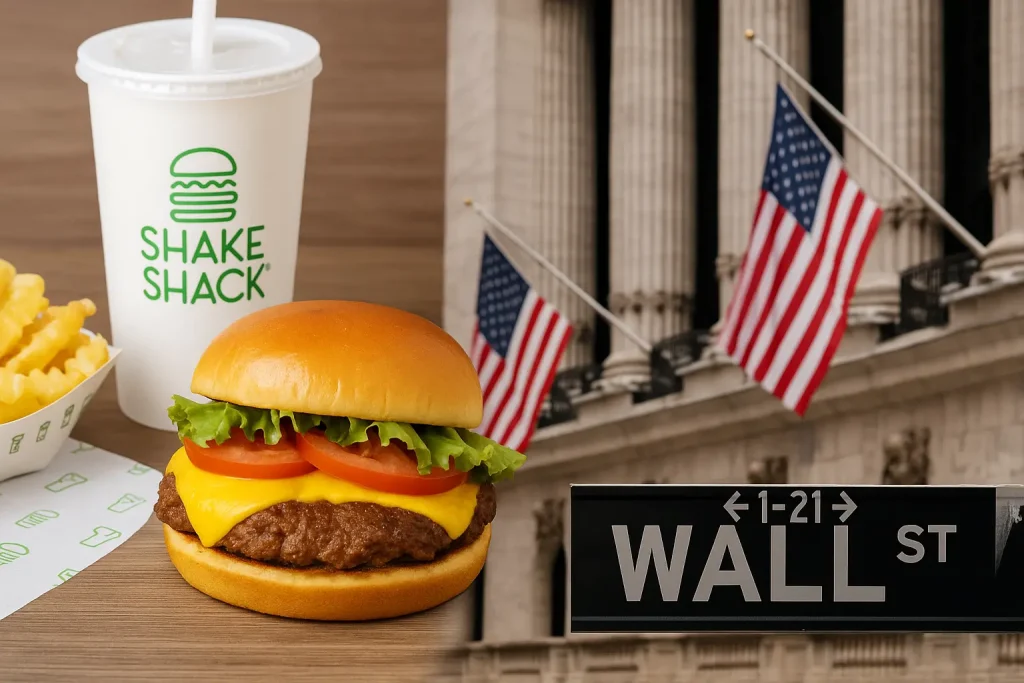
If you love Shake Shack’s burgers and fries, at some point you probably wonder:
“What about Shake Shack stock? What is SHAK and how does it work?”
This guide is a simple, informational overview of Shake Shack stock (ticker: SHAK) written for normal people and fans, not Wall Street traders.
Important: This is not financial advice. It’s just an easy explanation of what Shake Shack stock is, how the business makes money, and how people usually invest in shares like SHAK.
What Is Shake Shack Stock (SHAK)?
Shake Shack stock represents a small piece of ownership in Shake Shack Inc., the company behind the burger chain.
- Ticker symbol: SHAK
- Exchange: New York Stock Exchange (NYSE)
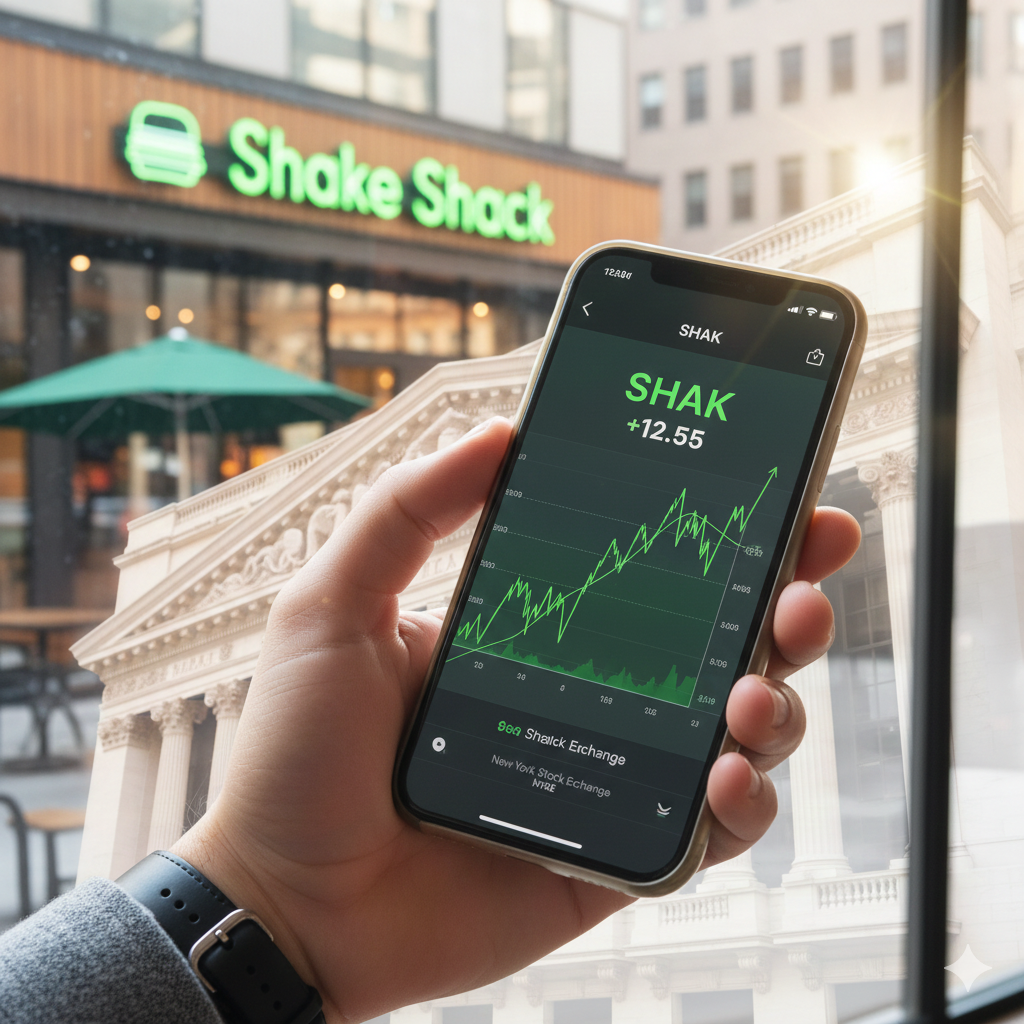
When people talk about “Shake Shack stock,” they almost always mean SHAK shares traded on the NYSE. The price of SHAK moves up and down every trading day based on what investors think about Shake Shack’s future.
Is Shake Shack a Public Company?
Yes. Shake Shack is a publicly traded company.
- It started as a small stand in New York City’s Madison Square Park and eventually grew into a global burger brand.
- The company later went public and listed its Class A common stock on the New York Stock Exchange under ticker SHAK.
Because it’s public, Shake Shack must regularly share information with investors through:
- Quarterly earnings reports
- Annual reports
- Press releases and shareholder letters on its investor relations site
Shake Shack Stock Basics: SHAK at a Glance
Exact numbers change daily, but here’s the general picture of SHAK as of late 2025:
- Ticker: SHAK
- Exchange: NYSE
- Industry: Restaurants / fast-casual burger chain
- Market cap: Typically in the multi-billion-dollar range, depending on the day’s share price
- Dividend: Shake Shack does not currently pay a dividend on SHAK shares
For the latest live price, people usually check finance sites (Yahoo Finance, MarketWatch, WSJ, Investing.com, etc.) or their own brokerage app.
How Does Shake Shack Make Money?
To understand Shake Shack stock, it helps to know how the business behind SHAK actually earns revenue.
From Shake Shack’s financial reports and shareholder letters, its income mainly comes from: (Shake Shack)
1. Company-Operated Shacks
These are Shake Shack locations run directly by the company.
- Sales from these restaurants are usually called “Shack sales”.
- This is the largest part of Shake Shack’s revenue.
2. Licensed / Franchise-Style Shacks
These are Shacks operated by partners under license agreements (often in airports, malls, or international markets).
- Shake Shack earns licensing revenue and royalties from these locations.
- Licensing is smaller than company sales but can be very profitable.
3. System-Wide Sales
You’ll often see the term “system-wide sales”:
- It includes all sales from both company-operated and licensed Shacks.
- It shows the total size of the brand, not just what hits Shake Shack’s own revenue line.
In recent years, Shake Shack has reported strong growth in total revenue, system-wide sales, and same-Shack sales as it opens more locations and sells more per restaurant. (Shake Shack)

How Big Is Shake Shack as a Business?
Shake Shack has grown far beyond New York.
Different data sources and company updates show that by 2025 the brand has:
- Hundreds of locations in the United States, with estimates around 370–390 U.S. Shacks depending on how they’re counted and when.
- Hundreds of international locations across Europe, Asia, the Middle East and Latin America.
The company has also shared long-term expansion goals, including expanding in new cities, more suburban drive-thrus and partnerships with airports and casinos.
What Affects the Shake Shack Stock Price?
Like any stock, SHAK moves up and down based on investors’ expectations about the future. Some of the main things they watch:
1. Revenue Growth and Same-Shack Sales
Investors focus on:
- Total revenue growth – is Shake Shack selling more than last year?
- Same-Shack sales – are existing Shacks selling more, not just new openings?
Recent results show double-digit revenue growth and solid same-Shack sales increases, which tends to support a positive story for SHAK.
2. Expansion and New Locations
Shake Shack’s stock is very tied to its growth story:
- Opening new Shacks in the U.S. and globally
- Adding more drive-thru locations and new formats
- Entering new cities and countries
Good news on expansion usually helps investor confidence.
3. Profitability and Margins
Revenue growth is good, but investors also care whether Shake Shack is:
- Improving restaurant-level profit margins
- Turning losses into consistent operating profit and net income
Recent updates show improvements in operating income and restaurant-level profit compared with earlier years, which generally makes investors more optimistic.
4. Costs and the Economy
Things that can put pressure on SHAK include:
- Higher food and labor costs
- Rising construction and rent costs for new locations
- Slower consumer spending if the economy weakens
All of these affect how investors value the company, and therefore the Shake Shack share price.
How Can Someone Invest in Shake Shack Stock (SHAK)?
If you’re a Shake Shack fan and curious about owning a tiny slice of the company, here’s a simple, general overview of how people typically invest in SHAK.
Again: this is not investment advice. It’s just a high-level explanation of the usual process.

Step 1: Open a Brokerage Account
Most people buy SHAK through an online brokerage or trading app. The basic steps are usually:
- Sign up with your details
- Verify your identity
- Link a bank account or funding method
The exact platform depends on your country and local regulations.
Step 2: Search for “SHAK”
Inside the app or website, investors search for “SHAK”.
- This brings up Shake Shack Inc. Class A common stock on the New York Stock Exchange.
Step 3: Decide How Much to Invest
There are two common approaches:
- Buy a set number of shares (e.g., 1, 5 or 10 shares).
- On some platforms, buy fractional shares, where you choose an amount of money instead of a full share (for example, invest $50 into SHAK).
Step 4: Choose an Order Type
Two of the simplest order types:
- Market order: Buys at the current available market price.
- Limit order: You set a maximum price you’re willing to pay per share.
Beginners often use a market order because it’s straightforward, but it’s still worth learning the difference.
Step 5: Review and Confirm
The platform will show:
- Number of shares (or amount of money)
- Estimated total cost
- Any fees or commissions
If everything looks right, you confirm the order. Once it’s executed, your SHAK shares appear in your account.
How Do Investors Potentially Make a Profit from Shake Shack Stock?
There are two main ways investors might earn money from a stock like Shake Shack:
1. Capital Gains (Share Price Going Up)
This is the most common:
- You buy SHAK at a certain price.
- If the company performs well and investors become more optimistic, the share price may rise over time.
- If you later sell at a higher price than you paid, the difference is your profit (capital gain).
Example (very simplified):
- Buy SHAK at $60 per share
- Later sell at $80 per share
- Ignoring taxes and fees, the gain is $20 per share
But it can also go the other way:
- If the share price drops and you sell at a lower price than you bought, you have a loss.
- Stock investing always involves the risk of losing money.
2. Dividends (Shake Shack Currently Pays None)
Some companies pay dividends, which are cash payments to shareholders (for example, every quarter).
- Investors receive dividend payments as long as they own the stock at certain key dates.
Right now, Shake Shack does not pay a regular dividend on SHAK shares. The company has publicly stated that it plans to retain earnings to fund growth and does not expect to pay dividends in the foreseeable future.
That means investors in SHAK generally look to share price growth (capital gains) as the main potential source of profit.
Does Shake Shack Stock Pay a Dividend?

Short answer: No.
According to company and market data:
- Dividend yield: 0%
- Dividend history: no regular cash dividend to date
- Company FAQ: Shake Shack has said it intends to keep earnings in the business to support continued expansion and does not anticipate paying dividends soon.
So SHAK is currently a growth-focused stock, not an income/dividend stock.
How can someone invest in Shake Shack stock?
Typically, investors:
- Open a brokerage or trading account.
- Search for ticker “SHAK”.
- Decide how much they want to invest (full or fractional shares).
- Place a market or limit order.
- Review and confirm the trade.
Every platform has its own process and requirements, and investing always carries risk.
Is Shake Shack stock a good investment?
That depends entirely on the individual investor—their goals, time horizon and risk tolerance.
This guide only explains:
- What Shake Shack stock is
- How the business behind it operates
- How people usually invest in shares like SHAK
Anyone thinking seriously about investing should research further and, if needed, speak with a qualified financial professional before making decisions.
Frequently Asked Questions
What is the Shake Shack stock ticker?
Shake Shack’s stock ticker is SHAK, and it trades on the New York Stock Exchange (NYSE).
Is Shake Shack publicly traded?
Yes. Shake Shack is a public company, and its Class A common shares trade under the ticker SHAK, which anyone with a suitable brokerage account can buy or sell.
Does Shake Shack pay a dividend on SHAK?
No. Shake Shack does not currently pay a dividend. It keeps its earnings to help finance further growth and expansion.
How many Shake Shack locations are there?
Numbers change as new Shacks open and some close, but various reports and data tools show hundreds of locations worldwide, with roughly 370–390 U.S. locations as of 2025 and many more internationally.
What makes the Shake Shack stock price move?
Key drivers include:
- Revenue and same-Shack sales growth
- The pace and success of new location openings
- Profitability and margin trends
- Broader economic and market conditions
Strong financial results and expansion updates tend to help the share price; weaker numbers or negative news can hurt it.